
Hotel and Hospitality Security in the DC Metro Area: What General Managers Need to Know
Why Hotels Are a Unique Security Environment
Hotels operate 24 hours a day with a constantly rotating population of guests, staff, vendors, and visitors — many of whom have legitimate access to the property and many of whom do not. This creates a security challenge unlike almost any other commercial property type: access control must be both rigorous and invisible.
Guests expect a seamless, welcoming experience. They do not want to feel like they are entering a secured facility. At the same time, property managers and owners have a legal duty of care to protect those guests from reasonably foreseeable harm. Balancing these competing demands requires security personnel with specific hospitality training and a different operational mindset than officers deployed in industrial or commercial settings.
The DC metro area adds additional complexity. Hotels in this region serve a high proportion of government employees, lobbyists, foreign dignitaries, and high-profile corporate travelers. This population brings elevated threat profiles and, in some cases, specific federal security coordination requirements that not every security company is equipped to handle.
The Legal Duty of Care in Hotel Premises Liability
Virginia, Maryland, and DC each have distinct premises liability frameworks, but all three impose a meaningful duty of care on hotel operators. Courts have consistently held that hotels owe their guests a higher standard of care than many other commercial property types — largely because guests are in a uniquely vulnerable position, sleeping and living on the premises.
What this means practically: a hotel that experiences a foreseeable incident — a guest assault in a poorly lit parking garage, a room invasion enabled by a broken door lock, a theft from an inadequately secured common area — faces a much higher standard in premises liability litigation than a comparable incident at an office building.
The documentation standard matters as well. Courts look at whether the hotel maintained consistent security protocols, documented patrol activity and incident reports, responded appropriately to prior incidents, and had a trained security presence proportionate to the property’s size and risk profile.
Common Security Vulnerabilities in DC Metro Area Hotels
After auditing hotel security programs across Northern Virginia and the DC metro area, IronWatch Security has identified several vulnerability patterns that appear consistently across properties of different sizes and price points.
Parking structures are the most common high-risk area. They are often the least-supervised spaces on a hotel campus, accessible to non-guests, and are the site of a disproportionate share of thefts, assaults, and vehicle crimes. Many hotels rely entirely on camera systems in parking areas without any patrol coverage — a gap that determined bad actors routinely exploit.
Service corridors and back-of-house areas represent a second consistent vulnerability. These spaces — used by food delivery vendors, linen services, maintenance contractors, and staff — often have lower access control standards than guest-facing areas. An unsecured loading dock or an unmonitored service elevator is a potential entry point for unauthorized individuals.
Lobby and Common Area Security: Visible Without Being Intrusive
The lobby is the most visible point of your security program — and the one where the tension between hospitality and security is most acute. Security personnel in lobbies need to project calm authority without creating an atmosphere that makes guests feel surveilled or unwelcome.
This requires specific training. Officers who come from industrial or institutional security backgrounds often default to postures and communication styles that are appropriate for those environments but feel jarring in a hotel lobby. Hospitality security training emphasizes guest interaction skills, de-escalation before any confrontation occurs, and the ability to handle difficult situations with minimal visibility to other guests.
Lobby security also includes managing the persistent challenge of non-guests using hotel common areas — restaurants, bars, business centers, pool areas — without appropriate authorization. Trained officers handle these situations with discretion rather than confrontation, protecting the guest experience while maintaining access standards.
Guest Room Floor Security and After-Hours Protocols
Corridor and elevator security on guest room floors is often underinvested. Most incidents involving guest room access — from room invasions to theft from hallways — occur during overnight hours when staffing levels are lowest and supervision is minimal.
A formal after-hours security protocol should include scheduled patrol of all guest floor corridors, monitoring of stairwell access doors, and a clear escalation path for anything unusual. Officers conducting these patrols should be doing so on a documented schedule with GPS-tracked or electronically logged patrol points.
Key card access systems are a valuable layer of security but require active management. Access logs should be reviewed regularly for anomalies — multiple failed access attempts, access at unusual hours, or access from cards that should have been deactivated. A security company that integrates with your access control system can flag these patterns in near-real-time.
Event Security: Conferences, Weddings, and High-Profile Gatherings
Hotels that host conferences, political events, weddings, and other large gatherings face additional security demands that their regular program may not be designed to handle. Event security requires advance planning, additional staffing, specific crowd management protocols, and in some cases coordination with law enforcement or federal protective services.
The DC metro area’s concentration of government facilities, embassies, and political organizations means that a significant share of hotel events in this region involve principals with elevated security profiles. A hotel that does not have a protocol for coordinating security for high-profile guests or politically sensitive events is operating with a meaningful gap.
IronWatch Security provides event security staffing and planning services for DC metro area hotels, including advance site assessments, credential verification protocols, and integration with existing hotel security programs. We have experience working alongside federal protective details when required.
Staff Security Training: The Layer Most Hotels Neglect
Hotel security is not just the responsibility of uniformed security personnel. Every front desk associate, housekeeper, maintenance technician, and food service employee is a potential observer and first responder. Organizations that invest in staff security training significantly extend the effectiveness of their formal security program.
Basic staff security training should cover: how to recognize and report suspicious behavior, proper protocols for handling requests to access guest rooms, what to do when a guest reports a security concern, and how to summon security without creating alarm in the lobby or common areas.
Staff training is also a liability issue. A front desk associate who allows an unauthorized individual access to a guest floor because they were charming or persistent — without following proper verification protocols — creates exposure for the property regardless of how strong the formal security program is. Training and protocols together close that gap.
Integrating Technology With Human Security in Hotel Settings
Camera systems, access control platforms, and real-time monitoring tools significantly extend the reach of hotel security personnel. A well-integrated technology infrastructure means that officers can be deployed strategically based on monitored data rather than static patrol routes.
Modern hotel security programs increasingly use analytics-enabled camera systems that can identify anomalies — a person loitering in a stairwell for an extended period, unusual activity near a service entrance, crowd density changes in an event space — and alert security personnel before a situation escalates.
IronWatch Security works with hotel clients to integrate our officer coverage with their existing technology infrastructure. We are not a technology vendor — but we know how to make officer deployment smarter using the tools most hotels already have in place.
Selecting a Hotel Security Partner in the DC Metro Area
The right hotel security partner combines hospitality-specific training with deep regional knowledge of the DC metro area. They understand the legal frameworks in Virginia, Maryland, and DC. They have experience with the specific challenges of mixed-use hotel campuses, event security, and high-profile guest management.
They also understand that in a hotel context, security failures are reputational failures. An incident that ends up in a TripAdvisor review or a local news story does damage that extends well beyond the immediate legal and insurance consequences.
IronWatch Security has served DC metro area hospitality properties with professional armed and unarmed security services. We provide no-cost security assessments to help hotel operators identify gaps, optimize coverage, and build programs that protect guests while preserving the hospitality experience guests expect.
What to Expect from a Professional Hotel Security Assessment
A professional hotel security assessment covers all physical spaces — lobby, corridors, parking, service areas, event spaces, and back-of-house — along with a review of existing technology, staffing protocols, incident documentation practices, and staff training standards.
The assessment produces a written findings report and a prioritized set of recommendations. High-priority items are those that represent immediate legal exposure or foreseeable incident risk. Medium and low priority items represent optimization opportunities that improve program quality over time.
The goal is not to sell you the maximum amount of security coverage — it is to help you build a program that is appropriate for your property’s specific risk profile, defensible in litigation, and consistent with your guests’ experience expectations. That alignment is what a professional security partner produces.
 https://www.ironwatchsecurity.com/wp-content/uploads/2025/06/Low-angle-shot-of-security-guards-patrolling-inside-commercial-building.jpg
1250
2000
Danny Osman
/wp-content/uploads/2025/01/fulllogo_transparent-color.png
Danny Osman2026-03-29 10:00:002026-03-26 08:22:51Hotel and Hospitality Security in the DC Metro Area: What General Managers Need to Know
https://www.ironwatchsecurity.com/wp-content/uploads/2025/06/Low-angle-shot-of-security-guards-patrolling-inside-commercial-building.jpg
1250
2000
Danny Osman
/wp-content/uploads/2025/01/fulllogo_transparent-color.png
Danny Osman2026-03-29 10:00:002026-03-26 08:22:51Hotel and Hospitality Security in the DC Metro Area: What General Managers Need to Know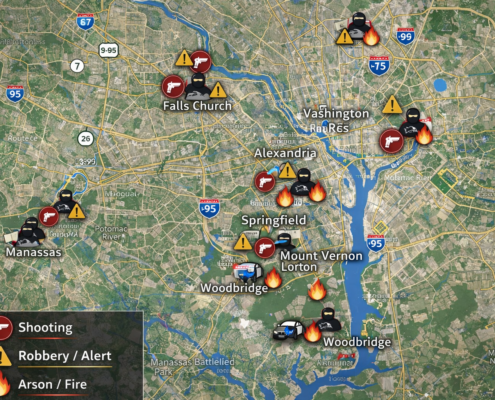 https://www.ironwatchsecurity.com/wp-content/uploads/2026/02/Northern-Virginia-crime-map-analysis.png
1024
1536
Danny Osman
/wp-content/uploads/2025/01/fulllogo_transparent-color.png
Danny Osman2026-03-28 10:00:002026-03-26 08:22:46DC Crime Is Down 37% — So Why Are Northern Virginia Businesses Investing More in Security?
https://www.ironwatchsecurity.com/wp-content/uploads/2026/02/Northern-Virginia-crime-map-analysis.png
1024
1536
Danny Osman
/wp-content/uploads/2025/01/fulllogo_transparent-color.png
Danny Osman2026-03-28 10:00:002026-03-26 08:22:46DC Crime Is Down 37% — So Why Are Northern Virginia Businesses Investing More in Security?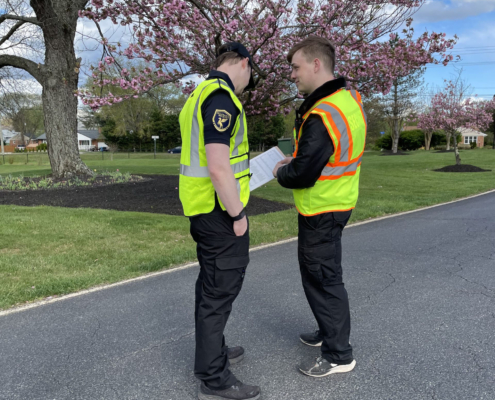 https://www.ironwatchsecurity.com/wp-content/uploads/2025/03/ironwatch-security-guard-meeting.jpg
1780
1920
Danny Osman
/wp-content/uploads/2025/01/fulllogo_transparent-color.png
Danny Osman2026-03-27 10:00:002026-03-26 08:22:41How to Vet a Security Company in Virginia: Questions Every Client Should Ask
https://www.ironwatchsecurity.com/wp-content/uploads/2025/03/ironwatch-security-guard-meeting.jpg
1780
1920
Danny Osman
/wp-content/uploads/2025/01/fulllogo_transparent-color.png
Danny Osman2026-03-27 10:00:002026-03-26 08:22:41How to Vet a Security Company in Virginia: Questions Every Client Should Ask https://www.ironwatchsecurity.com/wp-content/uploads/2025/03/assisted-living-facility.jpg
1250
2000
Danny Osman
/wp-content/uploads/2025/01/fulllogo_transparent-color.png
Danny Osman2026-03-26 10:00:002026-03-29 10:25:24Access Control for Assisted Living Facilities: Balancing Security and Resident Freedom
https://www.ironwatchsecurity.com/wp-content/uploads/2025/03/assisted-living-facility.jpg
1250
2000
Danny Osman
/wp-content/uploads/2025/01/fulllogo_transparent-color.png
Danny Osman2026-03-26 10:00:002026-03-29 10:25:24Access Control for Assisted Living Facilities: Balancing Security and Resident Freedom https://www.ironwatchsecurity.com/wp-content/uploads/2025/03/commercial-security.jpg
1250
2000
Danny Osman
/wp-content/uploads/2025/01/fulllogo_transparent-color.png
Danny Osman2026-03-25 10:00:002026-03-29 10:25:25Security as a Service in Arlington VA: Why Outsourcing Beats In-House Security Teams
https://www.ironwatchsecurity.com/wp-content/uploads/2025/03/commercial-security.jpg
1250
2000
Danny Osman
/wp-content/uploads/2025/01/fulllogo_transparent-color.png
Danny Osman2026-03-25 10:00:002026-03-29 10:25:25Security as a Service in Arlington VA: Why Outsourcing Beats In-House Security Teams https://www.ironwatchsecurity.com/wp-content/uploads/2025/08/Armed-security-guard.jpg
1250
2000
Danny Osman
/wp-content/uploads/2025/01/fulllogo_transparent-color.png
Danny Osman2026-03-19 10:00:002026-03-29 10:25:25When Unarmed Isn’t Enough: Armed Security for DC & Northern Virginia
https://www.ironwatchsecurity.com/wp-content/uploads/2025/08/Armed-security-guard.jpg
1250
2000
Danny Osman
/wp-content/uploads/2025/01/fulllogo_transparent-color.png
Danny Osman2026-03-19 10:00:002026-03-29 10:25:25When Unarmed Isn’t Enough: Armed Security for DC & Northern VirginiaDC Crime Is Down 37% — So Why Are Northern Virginia Businesses Investing More in Security?
What the 2026 DC Crime Data Actually Shows
Washington DC violent crime is down 37% in early 2026 compared to the same period last year. Robbery dropped from 167 incidents to 73 in the same time frame — a meaningful decline by any measure. DC officials have pointed to increased MPD staffing and the ongoing National Guard deployment as contributing factors.
But context matters. A February 2026 Senate report specifically examined the National Guard deployment — which costs over $602 million annually — and concluded it ‘cannot point to tangible crime reduction successes specifically tied to their efforts.’ Violent crime had already been declining before the Guard was mobilized, suggesting the trend reflects longer-term factors.
Crime statistics also only capture reported incidents. Crimes that go unreported — which research consistently shows are a significant portion of actual crime, particularly for assault and theft — are invisible to the headline numbers. A drop in reported crime is meaningful, but it is not the same as a drop in crime.
DC Statistics Are Not Northern Virginia Statistics
Northern Virginia and Washington DC are separate jurisdictions with separate law enforcement agencies, separate crime reporting systems, and separate underlying conditions driving their respective crime trends. A 37% decline in DC violent crime says nothing meaningful about crime patterns in Arlington, Fairfax, Alexandria, or Prince William County.
Northern Virginia has its own micro-jurisdictions, each with distinct risk profiles. A business in Crystal City faces a different environment than one in Tysons Corner or a warehouse corridor in Manassas. Aggregate DC statistics are a poor substitute for a site-specific security assessment of your actual property.
The mistake many business owners make is treating the DC metro region as a single crime environment. Law enforcement and security professionals know better. Jurisdictional boundaries create meaningful differences in patrol density, response times, and the specific criminal activity patterns that affect individual properties.
Why Declining Crime Headlines Create a False Sense of Security
When crime headlines turn positive, business owners and property managers naturally ask whether they still need to invest in security. It is a reasonable question — but the relationship between jurisdiction-wide crime statistics and individual property risk is far more complicated than any headline can capture.
Crime statistics measure reported incidents across entire cities. They do not tell you about your specific property type, your operating hours, your tenant mix, or the specific criminal activity patterns in your immediate area. A citywide robbery decline does not mean the parking garage attached to your office building has become meaningfully safer.
The properties that experience security incidents in a declining-crime environment are typically those whose owners assumed the broader trend applied to their specific situation. Location-specific vulnerabilities do not disappear because aggregate statistics are moving in a favorable direction.
Crime Displacement: The Risk That Statistics Miss
Security professionals consistently warn about crime displacement — the documented tendency for criminal activity to shift toward adjacent areas when enforcement presence increases in a particular zone. If the National Guard and elevated MPD presence are suppressing crime in DC proper, that pressure does not simply disappear.
Northern Virginia communities immediately adjacent to DC — particularly Arlington and Alexandria — have historically seen spillover effects from DC crime trends in both directions. Businesses in these corridors should be especially attentive to displacement patterns rather than assuming that DC’s declining statistics translate directly to their own properties.
Crime displacement is not speculative — it is a documented phenomenon studied by criminologists and routinely observed by law enforcement agencies on jurisdictional borders. Any security assessment of a Northern Virginia property within ten miles of the DC line should explicitly account for displacement risk.
The Liability Argument Does Not Move With Crime Rates
Even if crime in your area is genuinely and verifiably declining, your legal obligation to maintain reasonable security on your premises does not change. Virginia premises liability law requires property owners to take reasonable steps to protect invitees from foreseeable harm — and courts determine what is ‘reasonable’ based on industry standards, not current crime statistics.
A business that eliminates security measures following a favorable crime trend and then experiences an incident faces a difficult defense. Plaintiffs’ attorneys are skilled at arguing that crime was foreseeable even in a low-crime environment, particularly when prior incidents have occurred on or near the property.
Notably, Virginia courts have held that a property owner’s awareness of prior criminal activity on or near the premises is one of the key factors in determining whether an incident was foreseeable. If your property has had incidents in the past — regardless of current crime statistics — that history affects your legal exposure today.
What Your Insurance Carrier Already Knows
Property and liability insurers do not reduce premiums significantly in response to short-term crime declines. Their actuarial models reflect long-term risk patterns, not single-year statistics — and many carriers explicitly review your documented security program as part of underwriting.
Organizations that can demonstrate consistent, professional security coverage — with documented patrol logs, incident reports, and post orders — often receive better terms than those relying on crime statistics to justify reduced security investment. Your insurer is already thinking about this. Your security program should reflect that reality.
Some commercial property insurance policies include provisions that affect coverage if documented security measures are reduced or eliminated without prior notification to the carrier. Review your policy language carefully before making any changes to your security program based on favorable crime trends.
The Businesses That Regret Cutting Security Share One Thing in Common
Every property manager or business owner who has experienced a serious incident after reducing security — a robbery, an assault, a break-in with significant loss — describes the same thought process in retrospect: they assumed the favorable environment around them applied to their specific property.
The decision to reduce security coverage is rarely made by someone who has thought carefully about site-specific risk, legal exposure, or insurance implications. It is usually made by someone who read a positive headline, felt reassured, and looked for a line item to cut. That sequence of decisions is common and predictable — and so are its consequences.
The organizations that avoid this pattern are those that treat security decisions as risk management decisions, not budget line items. They ask: what specific risks does our property face? What is our legal obligation? What are our insurance requirements? The answers to those questions do not change because citywide crime is down.
What Smart Northern Virginia Businesses Are Actually Doing in 2026
The organizations increasing security investment in Northern Virginia in 2026 are not doing so because they believe crime is getting worse. They are doing so because they have separated the question of ‘how much crime is happening regionally’ from ‘what is the specific risk profile of my property and what are my legal and insurance obligations.’
These businesses are conducting formal security assessments to identify specific vulnerabilities rather than relying on general impressions. They are integrating security personnel with technology — cameras, access control, real-time monitoring — to get more coverage per dollar invested.
They are also documenting their programs carefully to build a defensible record of due diligence. In a premises liability claim, the ability to show a court or a jury a consistent, professional security program is one of the most effective defenses available. Smart organizations build that record before they need it.
Right-Sizing Security in a Declining Crime Environment
A declining crime environment actually creates an opportunity to optimize your security program rather than simply cut it. When incident frequency is lower, you have more space to assess what coverage is genuinely necessary versus what was reactive spending driven by a prior crime spike.
A well-designed security program built on a current site assessment — not on historical panic — typically costs less to maintain than a reactive program assembled without a plan. IronWatch Security conducts no-cost site assessments for Northern Virginia businesses to help identify what coverage is necessary, what is optional, and what can be optimized.
Optimization might mean shifting from 24-hour coverage to targeted high-risk hour coverage. It might mean replacing a single stationary post with a roving patrol that covers more ground. It might mean integrating a camera system that extends the effective reach of each officer. These decisions require a current assessment, not an assumption that the favorable trend justifies less coverage.
How to Conduct a Site-Specific Security Assessment
A genuine site-specific security assessment goes well beyond a walkthrough. It should document all access points, lighting conditions, camera coverage gaps, natural surveillance opportunities, after-hours foot traffic patterns, and historical incident data for your specific address — not just the surrounding neighborhood.
The assessment should also identify your specific regulatory and insurance requirements, any contractual security obligations to tenants or partners, and the specific threat types most relevant to your property type and operating hours.
IronWatch Security provides written security assessments at no cost for Northern Virginia properties. The assessment produces a documented baseline that is useful whether you ultimately hire us or not — because the record of having conducted a professional assessment has value regardless of what you decide to do with the findings.
The Bottom Line on DC Crime Statistics and Your Security Decision
DC crime being down 37% is good news for the region. It is not a security strategy for your business. Your security decisions should be based on your property’s specific risk profile, your legal obligations under Virginia premises liability law, your insurance program requirements, and the documented history of incidents at and near your address.
Northern Virginia businesses that are increasing security investment in 2026 are not acting irrationally. They are responding to the same information that experienced security professionals and insurance underwriters have always known: aggregate statistics and individual property risk are different things, and the consequences of confusing them are serious.
If you have questions about what the right security program looks like for your specific property, IronWatch Security is available for a no-obligation consultation. We will tell you honestly what we think you need — and what you do not.
https://www.ironwatchsecurity.com/wp-content/uploads/2025/06/Low-angle-shot-of-security-guards-patrolling-inside-commercial-building.jpg
1250
2000
Danny Osman
/wp-content/uploads/2025/01/fulllogo_transparent-color.png
Danny Osman2026-03-29 10:00:002026-03-26 08:22:51Hotel and Hospitality Security in the DC Metro Area: What General Managers Need to Know
https://www.ironwatchsecurity.com/wp-content/uploads/2026/02/Northern-Virginia-crime-map-analysis.png
1024
1536
Danny Osman
/wp-content/uploads/2025/01/fulllogo_transparent-color.png
Danny Osman2026-03-28 10:00:002026-03-26 08:22:46DC Crime Is Down 37% — So Why Are Northern Virginia Businesses Investing More in Security?
https://www.ironwatchsecurity.com/wp-content/uploads/2025/03/ironwatch-security-guard-meeting.jpg
1780
1920
Danny Osman
/wp-content/uploads/2025/01/fulllogo_transparent-color.png
Danny Osman2026-03-27 10:00:002026-03-26 08:22:41How to Vet a Security Company in Virginia: Questions Every Client Should Ask
https://www.ironwatchsecurity.com/wp-content/uploads/2025/03/assisted-living-facility.jpg
1250
2000
Danny Osman
/wp-content/uploads/2025/01/fulllogo_transparent-color.png
Danny Osman2026-03-26 10:00:002026-03-29 10:25:24Access Control for Assisted Living Facilities: Balancing Security and Resident Freedom
https://www.ironwatchsecurity.com/wp-content/uploads/2025/03/commercial-security.jpg
1250
2000
Danny Osman
/wp-content/uploads/2025/01/fulllogo_transparent-color.png
Danny Osman2026-03-25 10:00:002026-03-29 10:25:25Security as a Service in Arlington VA: Why Outsourcing Beats In-House Security Teams
https://www.ironwatchsecurity.com/wp-content/uploads/2025/08/Armed-security-guard.jpg
1250
2000
Danny Osman
/wp-content/uploads/2025/01/fulllogo_transparent-color.png
Danny Osman2026-03-19 10:00:002026-03-29 10:25:25When Unarmed Isn’t Enough: Armed Security for DC & Northern VirginiaHow to Vet a Security Company in Virginia: Questions Every Client Should Ask
Start With Licensing — It Is Non-Negotiable in Virginia
Virginia law requires every private security business to hold an active license issued by the Department of Criminal Justice Services. This is not a recommendation — it is state law, and operating without it is a criminal offense. Before any conversation goes further, ask the company for their DCJS business license number and verify it yourself at the DCJS public registry.
Do not accept a PDF copy of a license as sufficient proof. Licenses expire and must be renewed. A company that held a valid license last year may be operating on an expired credential today. The verification takes two minutes and protects you from significant liability exposure if an unlicensed officer is ever involved in an incident on your property.
Virginia’s DCJS registry is publicly searchable. A quick lookup by company name will show you license status, expiration date, and any disciplinary history. If a company resists providing their license number for verification, treat that resistance as a disqualifying signal.
Individual Officer Registration Is Separate From Business Licensing
Even if the company is properly licensed, every individual security officer they deploy must also hold a current personal DCJS registration. Armed officers carry a separate armed registration requirement with additional training and background check standards.
Ask any prospective company whether they can confirm that all assigned officers are currently registered. Request documentation. A professional company will provide this without hesitation — because they track it as part of their standard compliance program.
Officer registrations can also be verified through the DCJS public registry. A company that cannot quickly produce a roster of currently registered officers for your site is a company that may not be actively tracking compliance. That gap is your legal exposure.
Insurance: What You Actually Need to See
A licensed company that carries inadequate insurance is still a liability risk. At minimum, your security contractor should carry general liability insurance covering at least $1 million per occurrence and workers’ compensation insurance covering all deployed officers.
The critical step: request a certificate of insurance that names your organization as an additional insured. This is standard practice and takes a legitimate company less than 24 hours to produce. Without this, if a security officer causes property damage or injures a third party while on your site, you may face legal exposure even though you were the client, not the employer.
Review the certificate carefully for coverage dates and listed exclusions. Some policies exclude coverage for armed officers or for specific incident types. If your engagement involves armed personnel, confirm that armed officer liability is explicitly covered.
Workers
Virginia law requires most employers to carry workers’ compensation insurance. When a security company sends officers to your property, those officers are working on your premises — and without the contractor’s workers’ comp coverage confirmed in writing, you could be held liable for injuries that occur during a shift.
This is one of the most overlooked risks in security contracting. A certificate of insurance showing active workers’ comp coverage, with limits sufficient for your jurisdiction, should be a non-negotiable condition of any contract.
Ask specifically whether coverage applies to all officer classifications they deploy, including part-time, seasonal, and subcontracted personnel. Some companies carry workers’ comp only for their W-2 employees and use 1099 contractors to fill shifts — a structure that can leave significant coverage gaps on your property.
Experience With Your Specific Property Type
Security is not a uniform skill set. A company that excels at construction site patrol may be entirely unprepared for corporate lobby work, hospital security, or HOA residential patrol. Each environment demands different officer temperament, training, and protocols.
Ask prospective companies for specific client references in your industry. If you manage a mixed-use development, ask whether they have current clients in property management. If you are running a hospital, ask whether their officers have healthcare-specific de-escalation training. Generic security experience is not the same as relevant security experience.
The best security companies will have developed distinct training tracks and standard operating procedures tailored to different property types. A company that applies the same approach to a retail strip center and a corporate campus has not done this work.
Local Experience in Northern Virginia and the DC Metro Area
Regional knowledge matters more than most clients realize. A security company with deep roots in the Northern Virginia and DC metro area understands the local law enforcement landscape — which agencies patrol which jurisdictions, how to coordinate with Arlington County Police versus Fairfax County Police versus Metropolitan Police in DC, and what the specific threat patterns look like in your area.
Companies that operate primarily in other regions and expand into Northern Virginia often lack these relationships and this institutional knowledge. Ask specifically about their current operational footprint in your jurisdiction before proceeding.
Local experience also means familiarity with Virginia-specific legal requirements — from DCJS licensing standards to trespass authority protocols to the specific rules governing armed security in commercial settings. These details matter when an incident occurs.
Written Post Orders and a Formal Security Plan
Professional security companies do not improvise. Every client engagement should begin with a site assessment followed by written post orders that document officer responsibilities, patrol routes, access control procedures, emergency escalation protocols, communication requirements, and reporting obligations.
If a company cannot show you a sample set of post orders, or treats this as unnecessary overhead, that is a significant warning sign. Post orders are not bureaucracy — they are the foundation of accountability. They define what an officer is supposed to do, which means they also define what an officer failed to do when something goes wrong.
Post orders should be site-specific, not generic. A template that replaces client names but otherwise remains unchanged across all engagements suggests a company that does not invest in understanding your specific environment or risk profile.
Daily Activity Reports and Incident Documentation
Beyond post orders, ask what documentation you receive after each shift. A well-run security company provides daily activity reports summarizing patrol activity, access events, observations, and any unusual circumstances — even when nothing significant occurred.
When incidents do happen, formal incident reports create a documented record that protects you in insurance claims, premises liability litigation, and regulatory inquiries. Companies that do not produce consistent documentation are also companies that cannot demonstrate their value over time — and cannot defend your organization when it matters most.
Ask to see sample DAR and incident report formats before signing a contract. The quality of these documents — their structure, specificity, and completeness — tells you a great deal about the professional standards the company actually maintains in the field.
Officer Quality: Where Most Companies Quietly Cut Corners
DCJS minimum training requirements establish a floor — not a standard of excellence. The best security companies in Northern Virginia invest significantly in hiring standards and ongoing training that go well beyond what the state requires.
Ask about their hiring criteria. Do they prioritize candidates with military or law enforcement backgrounds? What does their background check process look like beyond the state minimum? Do they conduct drug testing? What ongoing training do officers receive after initial certification? High-quality answers to these questions distinguish professional operations from companies that simply fill shifts.
Officer quality directly determines client outcomes. A single poorly trained officer who mishandles a confrontation, fails to document an incident properly, or abandons a post can expose your organization to litigation and reputational harm that far exceeds the cost of hiring a company with higher standards.
Officer Retention and Turnover Rates
Officer turnover is a proxy metric for overall company quality. Companies that pay poorly, treat officers poorly, or deploy them in unsafe conditions without adequate support experience high turnover — which means your property is constantly being covered by new, inexperienced personnel who do not know your site, your tenants, or your protocols.
Ask directly: what is their average officer tenure? What do they do to retain quality officers? A company confident in its retention will answer this directly. A company that deflects or dismisses the question is telling you something important.
High turnover also creates continuity problems during critical security situations. An officer who has been on your site for two weeks does not know who belongs in the building, which tenants have after-hours access, or where your utility shutoffs are. These gaps are real vulnerabilities.
Supervisor Coverage and Quality Control Programs
Ask how the company supervises the officers they deploy. Regular supervisor site visits — unannounced and documented — are a hallmark of a well-run security operation. Without supervisory oversight, officer performance degrades over time regardless of initial training quality.
Quality control programs should include periodic post inspections, review of daily activity reports for completeness and accuracy, and a formal feedback loop between client management and company leadership. A security company that cannot describe its QC program in concrete terms does not have one.
Ask specifically: how often will a supervisor physically visit your site? What happens when a supervisor identifies a performance issue with an assigned officer? What is the escalation path if you as the client are dissatisfied with officer performance? These questions reveal the operational maturity of the organization you are considering.
Response Time and On-Call Protocol
Security incidents do not follow business hours. Ask what the company’s on-call protocol is for after-hours incidents, officer callouts, and emergency situations. A professional company has a 24-hour operations center or dedicated on-call management team that can respond to your call within minutes, not hours.
If an assigned officer does not show up for a shift — a near-universal operational reality — how does the company handle coverage? What is their guaranteed response time for a replacement? Companies that rely on officers to find their own replacements have no real backup coverage protocol.
Test this before you sign a contract. Call the company’s after-hours line at an off-peak time and see how long it takes to reach a live person with operational authority. The response you get will tell you more than any sales presentation.
Technology Integration: Cameras, Access Control, and Real-Time Monitoring
Modern security programs integrate human officers with technology systems. Ask whether the company has experience integrating with your existing camera systems, access control platforms, and alarm infrastructure. A security company that operates independently of your technology stack is delivering significantly less value than one that leverages it.
Real-time monitoring capabilities matter as well. Some security companies offer remote monitoring services that can supplement on-site coverage during low-activity periods, reducing costs while maintaining visibility. Ask whether this is available and what the integration requirements are.
Technology also creates accountability. GPS-tracked patrol systems, digital log entries, and time-stamped activity reports give you objective data on what your officers are actually doing during their shifts — independent of self-reported documentation.
Contract Terms That Protect You
Before signing any security services contract, review it for terms that could work against your interests. Key provisions to evaluate include: termination notice periods (30-60 days is standard; longer periods favor the vendor), indemnification language, rate escalation clauses, and provisions that limit your ability to directly hire officers who worked on your site.
Ask specifically about the company’s policy on officer reassignment. If an officer assigned to your property is reassigned to another client without your input, that decision can disrupt continuity at your site. A well-structured contract includes provisions for client input on officer assignments and replacements.
Ensure the contract clearly defines the scope of services, the minimum coverage hours guaranteed, and what constitutes a breach. Vague contract language that gives the vendor broad discretion to modify coverage or pricing is a negotiating risk you should address before signing.
Pricing Transparency and What It Tells You
The way a security company structures and presents its pricing reveals as much as the number itself. A transparent, itemized proposal that breaks out officer billing rates, supervisor coverage, administrative fees, and any technology costs signals a company that is comfortable with scrutiny. An opaque all-in rate with no breakdown is a red flag.
Extremely low pricing is almost always a warning sign in the security industry. Security companies compete on labor costs — and the only sustainable way to undercut the market significantly is to pay officers less, train them less, and supervise them less. Those tradeoffs have real consequences for your property.
The right question is not ‘who is the cheapest?’ but ‘what is the total cost of a security failure?’ The answer to that question almost always justifies paying a premium for verified quality.
Red Flags That Should End the Conversation
Some warning signs should immediately disqualify a security company regardless of how competitive their pricing appears. These include: inability to produce DCJS license documentation on request, no certificate of insurance naming you as additional insured, no written post orders or formal site assessment process, and vague or evasive answers about officer training.
Other disqualifying signals: a company that cannot provide verifiable client references in your industry, one that uses high-pressure sales tactics or pushes for a contract signature at the first meeting, or one whose proposal contains terms that are materially different from what was discussed verbally.
Price should never be the primary driver of your security vendor decision. The cost of an incident involving an unqualified, uninsured, or unlicensed security officer will far exceed any savings realized by choosing the cheapest option. IronWatch Security meets every standard outlined in this guide and welcomes the scrutiny.
https://www.ironwatchsecurity.com/wp-content/uploads/2025/06/Low-angle-shot-of-security-guards-patrolling-inside-commercial-building.jpg
1250
2000
Danny Osman
/wp-content/uploads/2025/01/fulllogo_transparent-color.png
Danny Osman2026-03-29 10:00:002026-03-26 08:22:51Hotel and Hospitality Security in the DC Metro Area: What General Managers Need to Know
https://www.ironwatchsecurity.com/wp-content/uploads/2026/02/Northern-Virginia-crime-map-analysis.png
1024
1536
Danny Osman
/wp-content/uploads/2025/01/fulllogo_transparent-color.png
Danny Osman2026-03-28 10:00:002026-03-26 08:22:46DC Crime Is Down 37% — So Why Are Northern Virginia Businesses Investing More in Security?
https://www.ironwatchsecurity.com/wp-content/uploads/2025/03/ironwatch-security-guard-meeting.jpg
1780
1920
Danny Osman
/wp-content/uploads/2025/01/fulllogo_transparent-color.png
Danny Osman2026-03-27 10:00:002026-03-26 08:22:41How to Vet a Security Company in Virginia: Questions Every Client Should Ask
https://www.ironwatchsecurity.com/wp-content/uploads/2025/03/assisted-living-facility.jpg
1250
2000
Danny Osman
/wp-content/uploads/2025/01/fulllogo_transparent-color.png
Danny Osman2026-03-26 10:00:002026-03-29 10:25:24Access Control for Assisted Living Facilities: Balancing Security and Resident Freedom
https://www.ironwatchsecurity.com/wp-content/uploads/2025/03/commercial-security.jpg
1250
2000
Danny Osman
/wp-content/uploads/2025/01/fulllogo_transparent-color.png
Danny Osman2026-03-25 10:00:002026-03-29 10:25:25Security as a Service in Arlington VA: Why Outsourcing Beats In-House Security Teams
https://www.ironwatchsecurity.com/wp-content/uploads/2025/08/Armed-security-guard.jpg
1250
2000
Danny Osman
/wp-content/uploads/2025/01/fulllogo_transparent-color.png
Danny Osman2026-03-19 10:00:002026-03-29 10:25:25When Unarmed Isn’t Enough: Armed Security for DC & Northern VirginiaAccess Control for Assisted Living Facilities: Balancing Security and Resident Freedom
Assisted living access control that prevents wandering without restricting dignity. Memory care security solutions in Arlington VA.
Security as a Service in Arlington VA: Why Outsourcing Beats In-House Security Teams
Security as a service in Arlington VA. Professional outsourced security beats in-house teams. Lower costs, zero liability, flexible coverage.
When Unarmed Isn’t Enough: Armed Security for DC & Northern Virginia
Licensed armed security guards in DC & Northern VA. Vetted, certified officers for any situation. Call IronWatch.
Property Management Security in DC and Northern Virginia: What Landlords and Property Managers Need to Know in 2026
Licensed property management security in DC, Arlington & Northern VA. Guards, access control & SAFE Act compliance. Call IronWatch.
Why Fire Watch Guards and Construction Site Security Are More Critical Than Ever in 2026
Certified fire watch guards & construction site security in DC, VA. 24/7 deployment, NFPA-compliant. Call IronWatch today.
24/7 Fire Watch Security Services: When Your Business Can’t Afford Downtime
Professional fire watch security guards available 24/7. Immediate deployment in DC, VA, and MD. Certified, compliant fire watch services.
Why FEMA ICS Courses Matter More Than You Think for Security Professionals
FEMA ICS training for security guards. Learn incident command for fire watch, construction, and retail security roles. Free certification.
How to Budget for HOA Security
Learn how HOAs and multi-family communities can budget for armed HOA security, compare costs, and plan coverage.
How Much Does It Cost to Hire Armed Security? A Local Pricing Guide for VA & D.C.
Wondering how much armed security costs in Northern Virginia or D.C.? Learn average hourly rates, pricing factors, and what impacts pricing.
Why Healthcare Facilities Need Security Guards with De-Escalation Certifications: Lessons from a Tragic Loss
After a hospital security guard’s tragic death, learn why de-escalation certifications are critical for healthcare security personnel.
Why Construction Site Security Guards Need Proper Certifications: Lessons from the Recent Gas Leak
IronWatch Security delivers certified construction site security guards trained in gas leak response and emergency protocols.
Is Northern Virginia Really Safe? Recent Crime Incidents Show Why Professional Security Services Matter More Than Ever
Recent shootings, carjackings, and armed robberies across Northern Virginia — from Springfield to Sterling
How to Read a Crime Map and Use It to Protect Your Northern Virginia Neighborhood
Don’t wait for an incident to find out your neighborhood is at risk. Learn how to read a Northern Virginia crime map and take action today.
What the Centreville Gas Explosion Means for Property Managers and HOAs in Northern Virginia
51 homes evacuated. 82 without gas. The Centreville explosion is a wake-up call for every HOA and property manager in Northern Virginia.
Springfield Town Center Shooting: What Happened & What It Means for Public Safety
The Springfield Town Center shooting revealed critical gaps in public safety. Here’s what it means for security planning.
The Role of an Armed Security Officer in Bank Safety: What Financial Institutions Need to Know
Learn how an armed security officer strengthens bank security through deterrence, de-escalation, and incident response.
Why Every Arlington Rental Community Should Consider an Armed Security Officer
See how an armed security officer strengthens apartment complex security in Arlington through deterrence, patrol support, and professional response.
How HOAs Can Improve Safety and Retention With Residential Security
Discover how Arlington HOAs can enhance community safety with armed, residential security and learn how trained guards deter crime and protect residents.
Security, Trust, and Community: The Pros of Property Management Security
Discover how armed property management security protects assets, fosters tenant trust, and reduces liability. Make a smart investment for your community.
Armed Security Regulations and Compliance: What You Need to Know
Understand the key armed security regulations. Learn about licensing, liability, and compliance so your business stays protected and within the law.
The Importance of Armed Security in Arlington, VA
Learn about the importance of armed security in Arlington, VA and how professional guards deter theft, vandalism, and trespassing to keep residents safe.